
What is GLEAM® Instruction?
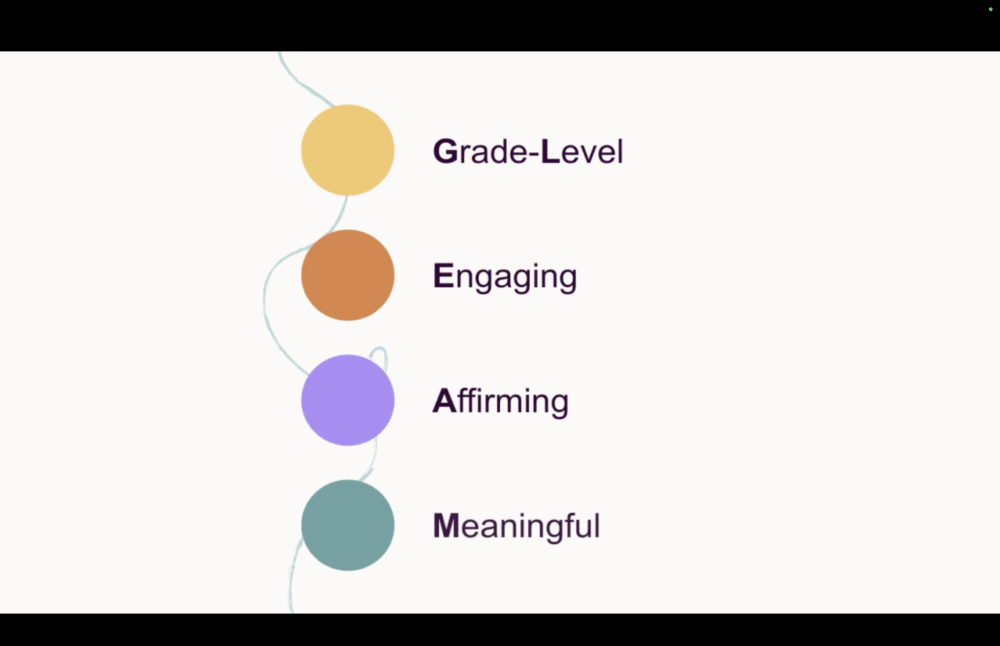
Components of GLEAM Instruction
Grade-level Instruction
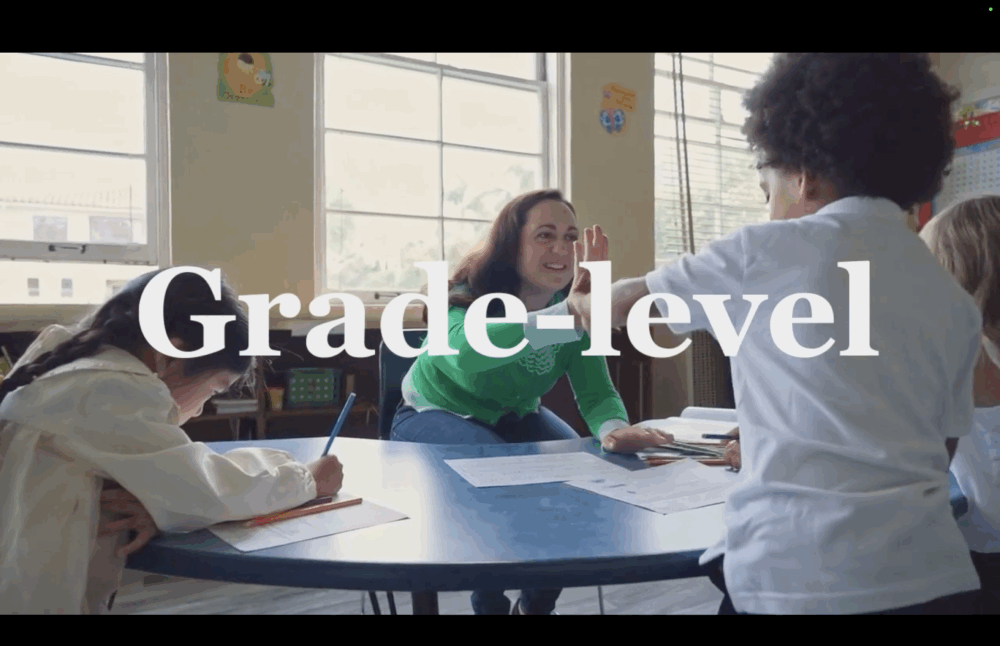
Grade-level instruction is aligned with the grade-appropriate college and career standards. It serves as a foundation for engaging, affirming, and meaningful instruction. Teachers who effectively deliver grade-level instruction understand and situate learning in the progression of standards and content within and across lessons, units, and grades. They use just-in-time scaffolds to ensure each student’s access to grade-level learning. They do so using student funds of knowledge, prerequisite knowledge and skills, and understanding of the essential elements of lesson design and delivery.
Engaging Instruction

Engaging instruction fosters persistence, active learning, and academic agency by tapping into students’ assets. Educators consider and leverage students’ backgrounds, lived experiences, and other assets to create entry points for and other connections to grade-level learning. Understanding students, paired with a knowledge of content and pedagogy, helps educators draw on grade-level expectations while giving students agency in their own learning. Explicit instruction (Archer & Hughes, 2010) of knowledge, skills, and cognitive routines that position students for persistence is foundational to engaging instruction.
Affirming Instruction

Affirming instruction builds a caring, collaborative classroom community by uplifting students’ identities and experiences in service of learning. Educators who provide affirming instruction recognize and value the assets students bring with them. They build spaces that are historically and socially representative of the students in the class and encourage kind and courageous communication and shared ownership of classroom learning — such that all students can learn.
Meaningful Instruction

Meaningful instruction cultivates civic agency and critical thinking by making learning relevant to issues students encounter beyond the classroom. Educators who provide meaningful instruction support students’ ability to engage critically with ideas and alternative perspectives. To make learning relevant, educators identify connections between academic content and their students’ communities. They encourage students to apply what they’ve learned in and outside of school to build confidence, resilience, and personal agency.