
Next steps with GLEAM®








August 30, 2023
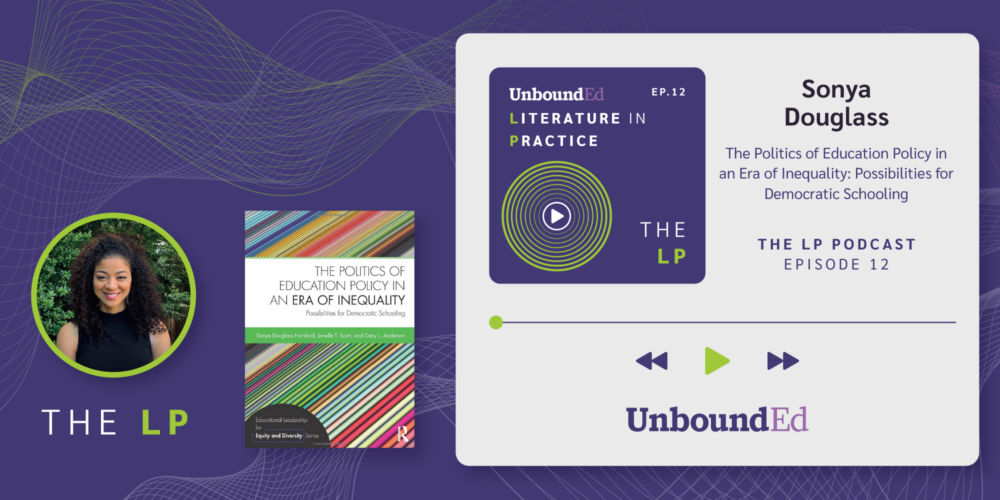
At UnboundEd, we pride ourselves on working to find justice in the details of teaching and learning. Instructional choices made in classrooms are included in those details, and it’s important to see how policy choices impact those choices in instruction. Policy choices take place at our local level, our state level, and our national level. Depending on the equity value of these choices, this multi-filtered choice system can lead to compounded success or failure for the students the systems, schools, and staff are supposed to serve. It helps to understand the background of the politics that inform the domino effect. Sonya Douglass, Janelle T. Scott, and Gary L. Anderson help us do that with their book The Politics of Education Policy in an Era of Inequality. Sonya Douglass and I discuss the book and its ability to reveal the mechanics behind the madness and the engineering that can occur so our kids can experience democratic schooling.
Choose the path that fits your team
At Standards Institute, educators cultivate the mindsets, skill sets, and tools to provide grade-level, engaging, affirming, and meaningful instruction.
Learn More ➜
Accelerate your instructional vision and build educators’ skills and expertise with an UnboundEd Summit.
Learn More ➜
UnboundEd’s dynamic, hands-on workshops build educator capacity by focusing on timeless, cross-disciplinary instructional moves that drive effective instruction, rigor, and student empowerment.
Learn More ➜
Ensuring quality materials are adopted and used effectively is crucial to improving outcomes and requires a strong instructional materials selection process. We’re here to share guidance and support on leading a rigorous and collaborative curriculum adoption process to select the right materials for your context and goals.
Learn More ➜
During this two-day Summit, we’ll share the essential steps and strategies for conducting a thorough adoption or implementation, all while building buy-in for instructional change throughout your organization.
Learn More ➜
Just getting started, or need to get back on track? We work with you on a shared vision and an actionable plan for curriculum success.
Learn More ➜
Improve literacy instruction and better meet the unique needs of every student.
Learn More ➜
Build your team’s understanding of grade-level, engaging, affirming, and meaningful –GLEAM®– instruction and transform how you serve all students in your district.
Learn More ➜
Our experts offer inspiring, thought-provoking messages and conversations that will get your team thinking creatively about shifting mindsets and changing practice.
Learn More ➜